
Zen-eX LLCSEWER & DRAIN SPECIALISTS570-629-5066
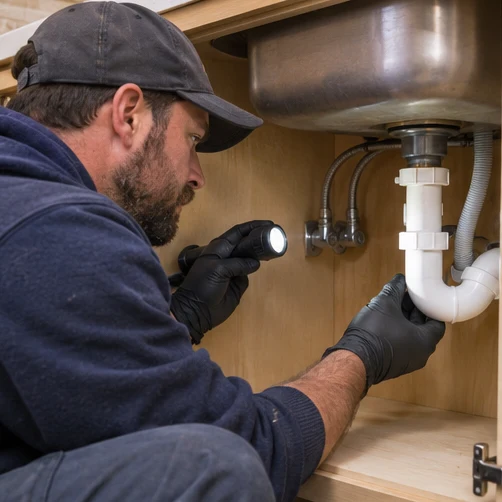
Technician inspecting a drain below a sink

ZEN-eX · SEWER & DRAIN SPECIALISTS

Plumbing & Drain Repair

Slow sinks, blocked tubs and laundry drains that overflow are easier to troubleshoot when you know where the symptoms start. Tell us what’s affected and what you’ve already tried.

Call 570-629-5066

Request Service

Prefer to request service by phone? Call 570-629-5066.

A single fixture or a shared drain?

A kitchen sink that slowly empties may have a restriction near the fixture or in its branch line. If a toilet, tub and floor drain all react together, the issue may be farther downstream. Knowing what triggers the backup can save time during evaluation.

What an assessment can reveal

A drain visit starts with the fixture, the connection and an accessible point in the line. Hair, food waste and grease can obstruct a branch line; cracks, roots and shifted joints are different problems and may need an inspection farther out. If a clog returns after clearing, ask what the next step will show.

What to tell us before we arrive

List the affected fixtures, how long the problem has been happening, and whether nearby fixtures bubble or back up when water runs. Mention any chemical cleaner already used, previous drain work, or visible water beneath a sink. For an active overflow, use the backup page and call to check availability.
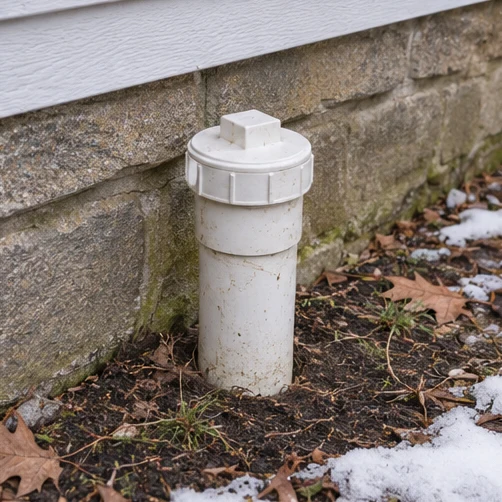
Capped cleanout beside a house foundation

Frequently asked questions

Does one slow sink mean my sewer is damaged?

No. A problem with just one fixture can be closer to the sink. Multiple fixtures backing up is a stronger reason to check farther downstream.

What counts as a repair rather than a clearing?

A clearing removes an obstruction. A repair addresses damaged or leaking components once the source is identified.

When does a camera make sense?

After recurring blockages or when evidence suggests a problem farther along the main line and the pipe is accessible.
ZEN-eX SERVICE GUIDE

What one slow drain can tell you

A sink, shower or tub that is slow while the rest of the property drains normally may have a blockage close to that fixture. If two nearby fixtures share symptoms, the restriction could be in a common branch. When several rooms are affected, the main line deserves a closer look. These patterns guide the inspection; they are not a diagnosis by themselves.

Clear, inspect, or repair?

  • Clearing removes the material that is blocking flow. Mechanical tools may be appropriate when the line and access allow.
  • Inspection documents what is visible inside an accessible line and is useful when the same symptoms return.
  • Repair addresses a confirmed defect such as a damaged connection that clearing alone cannot correct.

Questions to ask before work starts

Find out which drain or stretch of pipe is included, what access will be used, and how results will be checked. If the same problem happened recently, compare the symptoms and ask whether this visit is intended to restore flow or investigate why it keeps returning. Mention any drain chemicals you used before anyone starts work.

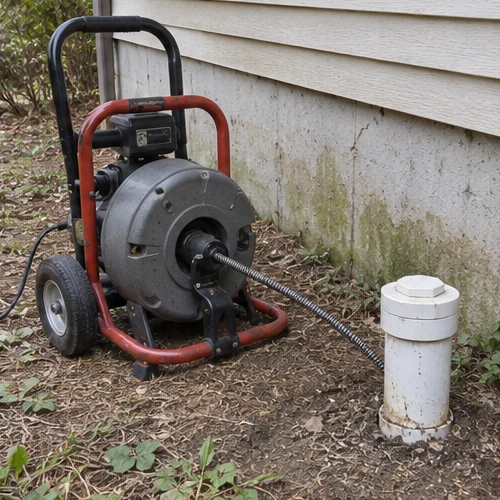
Drain clearing equipment beside a capped access fitting

More questions homeowners ask

Can a laundry backup involve a nearby sink or tub?

Yes. Fixtures can share a branch line. Note exactly which fixture ran and which one backed up.

How can I make the visit easier?

Clear the area around the affected fixture, identify the property’s sewer or septic setup if you know it, and gather any previous receipts or inspection footage.

Request service Call 570-629-5066