
Zen-eX LLCSEWER & DRAIN SPECIALISTS570-629-5066
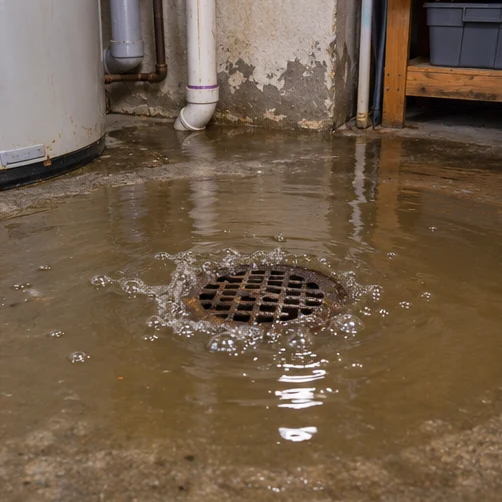
Water around a basement floor drain

ZEN-eX · SEWER & DRAIN SPECIALISTS

Emergency Sewer Backup

If wastewater is coming up through a floor drain, tub or toilet, call 570-629-5066 to check current availability. Tell us which fixtures are affected and whether the property uses a public sewer or a septic system.

Call 570-629-5066

Request Service

Prefer to request service by phone? Call 570-629-5066.

Know when it’s bigger than one drain

An isolated slow sink may have a local blockage. When a toilet gurgles as the shower drains, or the basement floor drain rises when the washer empties, the restriction may be farther downstream. If neighbors report the same problem, tell your local sewer utility and mention that when you call.

What to do during an active backup

Stop running water and appliances that drain into the system. Keep people and pets away from sewage, and call for help. Tell us whether water is still rising, where it first appeared, and whether this has happened before. The web form is for requests; it does not dispatch a technician.

How we narrow down the cause

First identify the affected fixtures and available access. A blockage can come from material in the line, roots, or damaged pipe. Once there is enough access and visibility, a camera may show whether the line needs clearing, further diagnosis or repair.
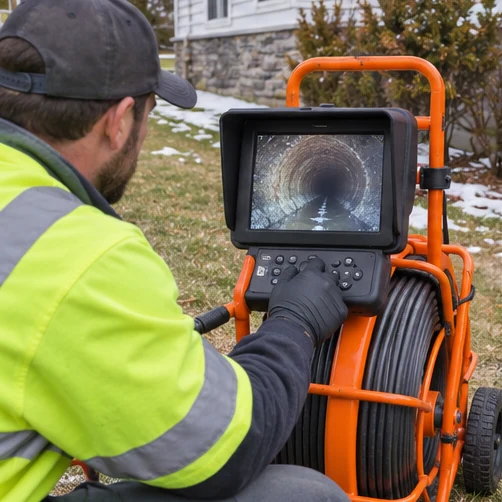
Technician viewing a sewer inspection monitor

Frequently asked questions

Will clearing stop it from happening again?

It can restore flow, but a recurring blockage may need a camera inspection to understand why it keeps returning.

What if my septic alarm is on?

Mention the alarm and whether fixtures are backing up. An alarm can point to a pump, control, or other system issue rather than a tank that only needs routine pumping.

Can I request help in the form?

You can enter a request in the preview, but for active sewage backup use the phone number above.
ZEN-eX SERVICE GUIDE

Describe the backup in the order it happened

Start with the first fixture that changed. A shower that drains slowly on its own is different from a shower that fills when a toilet is flushed. Mention whether the issue appeared after laundry, heavy water use, or rain, and whether the water went down again. The sequence helps narrow the area to investigate, even if the exact cause is still unknown.

Three pieces of information that make the call easier

  • Where it appeared: basement floor drain, tub, toilet, laundry standpipe, or another fixture.
  • What was happening: whether another fixture or appliance was in use and whether nearby properties are affected.
  • What you already know: whether the building uses septic or a utility sewer, the location of an accessible cleanout, and any previous repairs.

From immediate relief to a longer-term plan

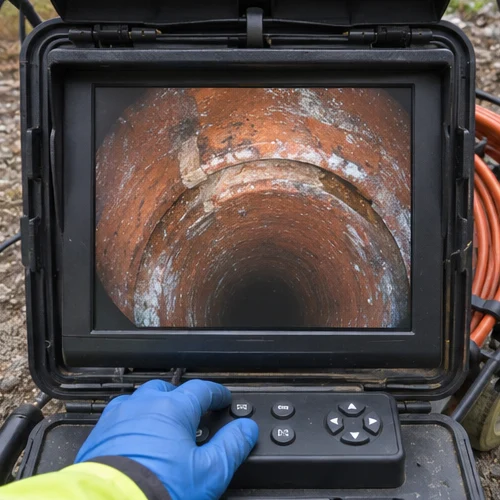
The first goal is to establish what is affected and whether the line can be accessed. Restoring flow can be the immediate priority; a follow-up inspection can then help distinguish a one-time obstruction from a repeat problem at the same joint or stretch of pipe. Ask which findings support any additional work and whether it can be scheduled separately.

A sewer camera monitor displaying the inside of a pipe

More questions homeowners ask

Water went down on its own. Is that enough?

A partially blocked line can drain slowly and then back up again under heavier use. Let us know how long it took to clear and whether this has happened before.

Is a utility sewer problem handled the same way as a private line?

The response depends on where the restriction is. If neighbors are affected, mention that when calling and contact the local utility for guidance on its system.

Request service Call 570-629-5066